- CBT informed
- Acceptance and Commitment Therapy
- Solution-focused methods
About Steven
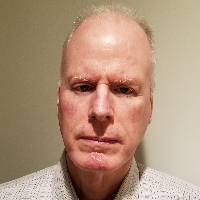
Steven Murray is an LMSW (Licensed Master Social Worker) practicing in Michigan with 50 years of experience. He works with people facing stress, anxiety, relationship problems, trauma and abuse, low self-esteem, depression, addictions, and other life changes. Steven also lists communication problems among his focus areas. He communicates directly and uses practical methods to help people get unstuck.
Across a long career in hospitals, clinics, group homes, and schools, Steven has supported people with a wide range of concerns. He has worked with those facing chronic mental illness, mood and anxiety disorders, adjustment issues, and trauma. He emphasizes clear, down-to-earth conversations rather than clinical jargon.
Steven describes his overall approach as rooted in cognitive behavioral ideas combined with other perspectives. He often uses Acceptance and Commitment Therapy and solution-focused techniques to help people identify the next small step. Motivational interviewing is part of how he helps people find and keep their own reasons to change.
He prefers a practical, coaching style that offers direction, encouragement, and new ways to look at problems. Humor, music, and everyday activities like walks or reading are things he often mentions as helpful tools in sessions and between appointments.
Because he is blind, Steven has a strong interest in technology that supports independence. That background shapes how he uses tools and communication in his work. He invites people who want straightforward, experience-based support to explore whether his style fits their needs.
How his approaches translate to online work
Steven commonly uses Acceptance and Commitment Therapy (ACT) to help people clarify what matters to them and take small, practical steps toward those values. ACT can be useful for anxiety, stress, and motivation challenges. Attachment-Based Therapy looks at how past relationships shape current patterns and helps people understand and change those interaction habits, which can aid relationship and communication problems.Cognitive Behavioral Therapy (CBT) focuses on identifying thought and behavior patterns that keep problems going and testing small changes to produce different results. CBT is often used for mood, anxiety, sleep, and coping with life transitions. Steven approaches choice of method as a collaborative process; he works with each person to test what fits best and adjusts methods as needed.
If you are considering online sessions, confirm the current session formats before booking. Online work can make it easier to fit appointments into a busy day, allow shorter check-ins when time is limited, and reduce travel time. It also makes it possible to use technology tools that support someone who is blind or prefers audio-based materials. Discuss format options and practical needs during the first scheduling step so sessions align with daily routines and goals.
Areas of expertise
Primary focus
Also works with
Additional focus areas
Therapeutic approaches
Experience
50+ years
Credentials
Michigan
Languages
English
Frequently asked questions
What issues does he commonly address?
He works with stress, anxiety, relationship issues, trauma and abuse, self-esteem, depression, addictions, grief, parenting concerns, and communication problems among other areas.
What is his general approach in sessions?
He uses a practical, coaching-oriented style that draws on cognitive behavioral ideas, Acceptance and Commitment Therapy, solution-focused work, and motivational interviewing.
How much experience does he have?
He brings 50 years of experience in hospitals, clinics, group homes, and schools working with a broad range of mental health concerns.
What are his credentials and where is he based?
He holds the LMSW credential and practices in Michigan.
Which languages are sessions offered in?
Sessions are offered in English.
Does he accept international clients?
He does not accept international clients at this time.
How is cost handled for sessions?
Cost varies with location; sessions use a subscription that can be canceled at any time.
How do I begin if I want to work with him?
Select the See online therapy options button, complete a short matching questionnaire, and schedule a first session.
Online talk therapy is not emergency care, and no counselor can promise how a conversation or a relationship will turn out. If you feel unsafe, call or text 988, or call 911. Crisis information