- stress management
- communication help
- coping skills
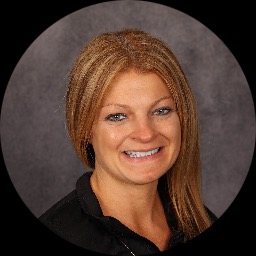
About Stephanie
Stephanie Baker is a Licensed Mental Health Counselor (LMHC) in New York with 13 years of experience. She works with people facing stress, anxiety, depression, trauma and abuse, low self-esteem, and major life changes. She also lists communication problems, control issues, impulsivity, post-traumatic stress, and social anxiety as focus areas.
Baker uses evidence-based therapeutic techniques to help people talk through difficult experiences. Sessions focus on identifying patterns that keep problems repeating and learning concrete ways to respond differently. She pays attention to how past events affect current feelings and behavior so clients can regain a sense of direction.
In practice she helps people process traumatic events and rebuild parts of themselves that feel damaged or lost. She guides clients toward clearer boundaries and steadier emotional reactions. Practical coping skills are introduced so people can manage symptoms between sessions.
Baker also supports clients working to improve communication with partners, family members, or coworkers. She helps people practice saying what they need and noticing unhelpful reactions that spark repeated arguments. The emphasis is on clearer exchanges and fewer misunderstandings.
Her work is straightforward and focused on real-life change. She encourages small, manageable steps that fit into a busy life. People who want direct strategies for mood, anxiety, trauma, or communication concerns often find this approach useful.
How evidence-based techniques are used in online sessions
Stephanie Baker uses evidence-based therapeutic techniques that focus on clear strategies and measurable progress. One approach helps people identify and change unhelpful thoughts and behaviors that keep anxiety and depression active; it teaches specific skills to test and shift thinking patterns and daily routines. Another approach centers on processing traumatic memories and their emotional impact so reactions become less overwhelming and daily functioning improves.Finding the right mix of methods is part of the work. She collaborates with clients to decide which approaches fit their goals and comfort level. That process includes trying techniques, checking what helps, and adjusting the plan together rather than assuming a single method will be best from the start.
Confirm the exact online session formats before booking since the biography does not list specific options. In general, online sessions can make it easier to fit therapy into a busy schedule, cut travel time, or allow for shorter check-ins when needed. Many people find that remote sessions let them practice skills in the settings where problems actually occur, which can make learning more practical and time-efficient.
Areas of expertise
Additional focus areas
Experience
13+ years
Credentials
New York
Languages
English
Frequently asked questions
What concerns does she address?
She works with stress, anxiety, depression, trauma and abuse, low self-esteem, and coping with life changes. Communication problems and related issues such as control struggles and impulsivity are also listed.
What is her therapeutic style?
She uses evidence-based therapeutic techniques focused on practical skills and understanding patterns. Sessions emphasize clear steps clients can use between meetings.
How much clinical experience does she have?
She has 13 years of experience working with people facing trauma, depression, anxiety, and related concerns.
What are her credentials and location?
She is an LMHC licensed in New York and practices from that state.
Which languages are supported?
Sessions are offered in English.
Can international clients work with her?
International clients are not currently accepted.
How are sessions billed?
Cost varies with location and sessions use a subscription that can be canceled at any time.
How do I begin working with her?
Select the See online therapy options button, complete a short matching questionnaire, and schedule a first session.
Online talk therapy is not emergency care, and no counselor can promise how a conversation or a relationship will turn out. If you feel unsafe, call or text 988, or call 911. Crisis information