- Communication skills
- Trauma-informed care
- Stress and anxiety
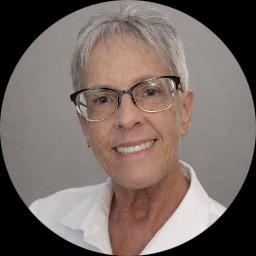
About Sonja
Sonja Morrell is an LPC - Licensed Professional Counselor practicing in Oklahoma with eight years of experience. She helps people who are dealing with anxiety, depression, stress, trauma and abuse, and ADHD, and she works with those who struggle with communication problems.
Sonja uses straightforward, evidence-based techniques to address everyday difficulties. Sessions focus on clear goals, practical coping skills, and improving how people express needs and set boundaries. Conversations center on what is happening now and what changes would make life easier.
She often begins by identifying patterns that keep arguments repeating or make conversations shut down. From there she teaches ways to reduce reactivity, organize thoughts before speaking, and ask for what is needed. Work in session includes practicing new phrases and testing small changes between meetings.
Her approach includes attention to how past attachment wounds and abandonment fears affect present relationships. She also supports people managing chronic illness, caregiver stress, blended family issues, and the social effects of autism and intellectual disability. Sonja aims to make steps feel manageable rather than overwhelming.
Sonja has particular experience helping people cope with major life changes such as divorce, cancer, and disaster-related stress. She uses a trauma-informed lens when relevant and emphasizes building concrete skills for daily life. People who want direct, practical conversation strategies often find her style useful.
How therapeutic approaches translate to online sessions
Evidence-based techniques used in her work include practical skill training, which teaches specific behaviors and phrases to try in real conversations. This approach helps with anxiety, impulsivity, and communication patterns by offering step-by-step practice and feedback. Another common element is a trauma-informed perspective that looks at how past attachment and abandonment experiences shape current reactions. That lens helps when people are stuck in repeated fights or feel shut down when stressed. Finding the right mix of approaches is a collaborative process. The therapist and client review goals, try methods in session, and adjust based on what feels useful. Clients help decide which techniques to keep using between meetings. Confirm the exact session formats before booking since the public biography does not list them. Online work can make it easier to fit sessions into a busy life, for example by removing travel time, allowing shorter check-ins on a workday, or making it simpler to join from a quieter spot. Talk with the therapist about what will fit your schedule and communication style so sessions can be practical and sustainable.Areas of expertise
Primary focus
Additional focus areas
Experience
8+ years
Credentials
Oklahoma
Languages
English
Frequently asked questions
What kinds of communication problems does she address?
She helps with patterns that cause repeated arguments, difficulty saying what you need, and social anxiety that makes conversations hard.
What is her general therapy style?
She uses evidence-based techniques with a practical focus, teaching coping skills and ways to change how conversations unfold.
How much experience does she have?
She has eight years of experience working as a counselor in Oklahoma.
What credentials and location apply?
She holds the LPC credential and practices in Oklahoma.
Which languages are sessions offered in?
Sessions are offered in English.
Can people outside the country work with her?
She does not accept international clients at this time.
How does payment work and what does it cost?
Cost varies with location and sessions use a subscription model that can be canceled at any time.
How do I begin a first session?
Click the See online therapy options button, complete the short matching questionnaire, and schedule a first session.
Online talk therapy is not emergency care, and no counselor can promise how a conversation or a relationship will turn out. If you feel unsafe, call or text 988, or call 911. Crisis information