- Communication problems
- Trauma informed care
- Isolation support
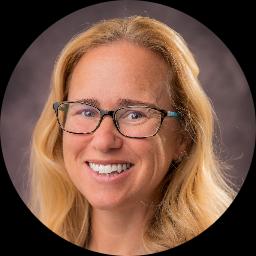
About Nicole
Nicole Montgomery is a Licensed Master Social Worker (LMSW) in Michigan with 11 years of clinical experience. She works with people facing stress, anxiety, depression, trauma and abuse, family concerns, and the strain of big life changes. Nicole also focuses on communication problems and feelings of isolation or loneliness.
She frames therapy around how life events shape thoughts, feelings, and behavior. Sessions are practical and down-to-earth. Nicole helps people notice patterns that lead to repeated arguments or withdrawal, and practices clearer ways of speaking and listening.
Nicole uses trauma-informed care as a foundation. That means she pays attention to how past hurt affects responses now. She works at a steady pace so people can manage strong emotions while learning new skills.
Her work often includes short exercises to try between sessions. These tasks are small and focused on changing everyday interactions and easing overwhelm. Progress is measured in clearer communication, better emotion management, and fewer spirals of isolation.
Nicole has experience with a wide age range of clients and aims to be straightforward about goals and steps in therapy. To start, she asks about what’s most pressing, what has been tried, and what would feel different if things improved. From there she and the client set clear next steps and realistic milestones.
How evidence-based techniques are used in online sessions
Nicole describes her work as grounded in evidence-based therapeutic techniques that help people change patterns and manage strong emotions. For example, trauma-informed care focuses on recognizing how past harm affects current reactions and builds safer ways to respond. This approach is useful for people who feel stuck by painful memories or who shut down in difficult conversations.Another common approach she uses is skills-based coaching for communication and emotion regulation. That involves practicing specific phrases, listening techniques, and short behavioral experiments to break recurring arguments and reduce isolation. These techniques are practical tools aimed at making everyday interactions easier.
Finding the right mix of methods is part of the process. The therapist will work collaboratively to decide which techniques fit a person’s needs, goals, and preferences, and will adjust the plan as progress is made.
If you want online sessions, confirm the current session formats before booking since none are specified here. Online work can make it easier to fit therapy into a busy day, reduce travel time, and allow shorter check-ins when schedules are tight. It can also let people practice communication skills where they live and then report back on what changed.
Areas of expertise
Primary focus
Additional focus areas
Experience
11+ years
Credentials
Michigan
Languages
English
Frequently asked questions
What issues does she help with?
She helps people managing stress, anxiety, depression, trauma and abuse, family concerns, and life changes. Communication difficulties and loneliness are also listed focus areas.
What is her approach in sessions?
Her approach is trauma-informed and practical. She looks at how past events shape current reactions and teaches clearer communication and emotion management skills.
How much experience does she have?
She has 11 years of clinical experience working with people across a range of concerns.
What credential does she hold and where is she based?
She is a Licensed Master Social Worker (LMSW) licensed in Michigan and practices there.
Which languages are supported?
Sessions are offered in English.
Can people from other countries work with her?
She does not accept international clients at this time.
How are sessions scheduled and paid for?
Costs vary with location and sessions use a subscription model that can be canceled at any time.
How do I begin a first session?
Use the See online therapy options button, complete a short matching questionnaire, and then schedule a first session.
Online talk therapy is not emergency care, and no counselor can promise how a conversation or a relationship will turn out. If you feel unsafe, call or text 988, or call 911. Crisis information