- CBT techniques
- Client-centered work
- Solution-focused goals
About Leon
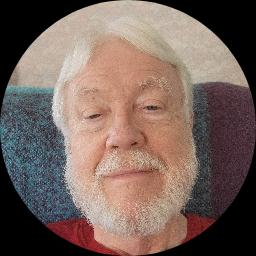
Leon Dickinson is a Licensed Mental Health Counselor (LMHC) in New York with 12 years of professional experience. He helps people who are coping with stress, anxiety, relationship concerns, family conflict, trauma and abuse, anger, and communication problems. Sessions are conducted in English and focus on practical steps clients can use day to day.
Born and raised on a dairy farm in New York, he brings familiarity with rural life and agricultural pressures to his work. He also works part time with a Cornell University program that supports people connected to agriculture. That background shapes how he listens and the examples he uses in sessions.
His approach centers on Client-Centered Therapy, Cognitive Behavioral Therapy (CBT), and Solution-Focused Therapy. He uses straightforward conversations to identify patterns that cause repeated arguments or ongoing worry. Then he helps people experiment with simpler ways of speaking and responding that can reduce conflict and anxiety.
In sessions he aims to create an open environment where thoughts and feelings can be shared without judgment. Practical tools and short-term planning are often part of the work, especially when clients want clearer communication or relief from worry. Progress is measured by small, observable changes in daily interactions.
He highlights courage and steady effort as the steps toward change. People looking for direct coaching on communication, managing anger, or handling trauma-related stress will find sessions that focus on real problems and concrete next steps.
How his approaches translate to online care
Leon uses Client-Centered Therapy to focus on each person's concerns and experience, offering time to talk and be heard so practical communication habits can be surfaced and practiced. Cognitive Behavioral Therapy (CBT) is used to identify unhelpful thought patterns and test new ways of responding to anxiety and conflict. Solution-Focused Therapy helps set short, realistic goals and build small steps that improve conversations and reduce repeated arguments.Choosing the right approach is part of the work. He will collaborate with clients to decide which methods fit their goals, needs, and preferences. That conversation usually happens in early sessions and can be adjusted over time as priorities change.
The practical benefits of online therapy include fitting sessions around work and family commitments and keeping momentum between appointments. Confirm current session options before booking to know which formats are offered. Online sessions can make it easier to check in during a lunch break, do a shorter follow-up, or avoid travel time while still working on communication skills and anxiety management.
Areas of expertise
Primary focus
Additional focus areas
Therapeutic approaches
Experience
15+ years
Credentials
New York
Languages
English
Frequently asked questions
What concerns does he help with?
He works with stress, anxiety, relationship and family issues, trauma and abuse, anger, and communication problems.
What is his therapeutic style?
He combines Client-Centered Therapy, Cognitive Behavioral Therapy, and Solution-Focused Therapy in straightforward sessions focused on practical changes.
How much experience does he have?
He has 12 years of professional work experience as an LMHC in New York.
Where is he based and what credential does he hold?
He is based in New York and holds the NY LMHC credential.
Which languages are supported?
Sessions are offered in English.
Can people from other countries work with him?
He is not currently accepting international clients.
How does payment and cost work?
Cost varies with location and sessions use a subscription that can be canceled at any time.
How do I begin a first session?
Use the See online therapy options button, complete a short matching questionnaire, and schedule a first session.
Online talk therapy is not emergency care, and no counselor can promise how a conversation or a relationship will turn out. If you feel unsafe, call or text 988, or call 911. Crisis information