- Client-Centered Therapy
- Cognitive Behavioral Therapy
- Gottman Method
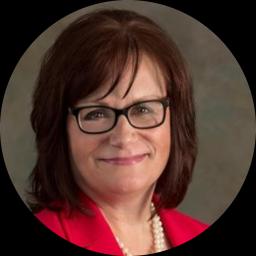
About Gloria
Gloria Whitcraft is an LMFT - Licensed Marriage and Family Therapist in Indiana with 20 years of clinical experience. She works with people dealing with relationship and family concerns, trauma and abuse, depression, coaching needs, and communication problems.
She starts by listening to each person's story and identifying the strengths they already have. Sessions focus on practical steps people can use to change patterns that keep causing pain. Conversations are direct and grounded in everyday life, not jargon or theory alone.
Gloria uses approaches that include Client-Centered Therapy, Cognitive Behavioral Therapy, and the Gottman Method. That blend helps with relationship interactions, mood challenges, and responses leftover from traumatic events. She supports people who are caregivers, going through divorce or separation, or feeling isolated.
Her work aims to help people notice what keeps repeating in their relationships and to learn different ways of responding. She also helps with stress tied to caregiving, social anxiety, and post-traumatic stress symptoms. Sessions are practical and focused on small, doable changes.
People who choose her often want clear guidance and tools they can try between sessions. To start, she asks questions about current concerns and goals, then together they set priorities for change. This helps clients move from stuck patterns toward better communication and steadier mood management.
How Gloria uses therapeutic methods in online sessions
Client-Centered Therapy focuses on listening and reflecting back what matters to the person. It helps people feel heard, notice their own insights, and decide which changes matter most. Cognitive Behavioral Therapy (CBT) targets thoughts and behaviors that keep problems going and teaches concrete skills to change them. CBT is often used for depression, anxiety, and mood-related patterns. The Gottman Method looks at interaction patterns between people and teaches specific skills for improving communication and reducing conflict.Finding the right approach is usually a shared process. Gloria will discuss goals, preferences, and what feels most useful, then choose techniques from these approaches together with the client. That collaborative planning helps shape each session so it matches the client's needs and the issues they bring.
Confirm current session options before booking so you know how sessions are scheduled. Online work can make it easier to fit therapy into a busy life, reduce travel time, and allow shorter check-ins when needed. Many people find it simpler to attend regularly this way while still using practical tools learned in sessions to improve communication and mood at home and work.
Areas of expertise
Primary focus
Additional focus areas
Therapeutic approaches
Experience
20+ years
Credentials
Indiana
Languages
English
Frequently asked questions
What kinds of concerns does she address?
She works with relationship and family concerns, trauma and abuse, depression, caregiver stress, communication problems, and related mood or anxiety issues.
What therapy styles does she use?
She uses Client-Centered Therapy, Cognitive Behavioral Therapy (CBT), and the Gottman Method to guide sessions and skill building.
How much clinical experience does she have?
She has 20 years of professional experience working with people on relationship and mood concerns.
What credential does she hold and where is she based?
She is an LMFT licensed in Indiana and practices from that state.
Which languages are supported for sessions?
Sessions are offered in English.
Can clients outside the United States work with her?
She does not accept international clients at this time.
How are sessions paid for and what does it cost?
Cost varies with location; sessions use a subscription that can be canceled at any time.
What do I need to do to begin?
Click the See online therapy options button, complete the short matching questionnaire, and schedule a first session.
Online talk therapy is not emergency care, and no counselor can promise how a conversation or a relationship will turn out. If you feel unsafe, call or text 988, or call 911. Crisis information