- Addictions support
- CBT and client-centered
- Communication help
About Deborah
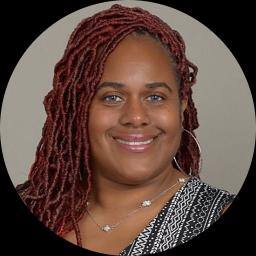
Deborah Davis is a Licensed Clinical Mental Health Counselor (LCMHC) in North Carolina with 16 years of professional experience. She works with people dealing with addictions, trauma and abuse, low self-esteem, and major life changes. Communication problems are listed among her focus areas, and she also addresses workplace strain, caregiver stress, and process addictions.
Her approach centers on clear conversation and practical steps. She uses client-centered methods to listen and respond to each person's concerns. She also applies Cognitive Behavioral Therapy to identify unhelpful thinking and try new coping strategies. Sessions aim to make difficult conversations easier to handle and to reduce repeating conflict cycles.
Deborah adapts the pace of work to what a person needs. Some clients want short-term coaching-style support for specific goals. Others prefer longer work on trauma, grief, or rebuilding confidence after separation or fertility struggles.
She uses straightforward dialogue in sessions, focusing on what a person wants to change and how to get there. That can include practicing communication skills, setting boundaries, or planning steps to reduce addictive behaviors. Homework and simple experiments between meetings are common tools.
Over her career she has supported people facing blended family tensions, midlife transitions, isolation, and feelings of guilt or shame. She accepts international clients and conducts sessions in English. To begin, the usual process is to complete a short matching questionnaire and schedule a first appointment.
How Deborah uses CBT and client-centered methods online
Client-Centered Therapy focuses on listening and reflecting what matters to the client. It helps people clarify their goals and feel heard without pressure to follow a set plan. Cognitive Behavioral Therapy (CBT) looks at the links between thoughts, feelings, and actions and teaches practical techniques to change patterns that cause distress. CBT is often used for addictions, low self-esteem, and coping with life changes.Finding the right approach is a collaborative process. Deborah will talk with each person about their needs and goals, and then suggest which methods to try first. She checks in and adjusts the approach as work progresses so the plan fits the client's preferences and daily life.
The original profile does not list specific session formats, so please confirm the available options before booking. Online sessions can make it easier to fit counseling into a busy schedule, reduce travel time, and allow shorter check-ins when needed. Many people find remote sessions help them practice communication skills in the context of their everyday routines, and therapists can assign simple between-session exercises to reinforce new behaviors.
Areas of expertise
Primary focus
Additional focus areas
Therapeutic approaches
Experience
16+ years
Credentials
North Carolina
Languages
English
Frequently asked questions
What concerns does she address?
She works with addictions, trauma and abuse, self-esteem, coping with life changes, and related issues such as workplace problems and caregiver stress.
What is her therapeutic style?
Her style is direct and conversational. She combines client-centered listening with Cognitive Behavioral Therapy techniques to change unhelpful thoughts and behaviors.
How many years has she practiced?
She has 16 years of professional work experience in counseling and related settings.
What credential does she hold and where is she based?
She is an LCMHC licensed in North Carolina and practices from that state.
Which languages are supported for sessions?
Sessions are offered in English and she accepts international clients.
What session formats are available?
The original profile does not list specific session formats; please confirm current session options before booking.
How does cost work?
Cost varies with location and sessions use a subscription model that can be canceled at any time.
How do I start a first session?
Select the See online therapy options button, complete a short matching questionnaire, and schedule a first session.
Online talk therapy is not emergency care, and no counselor can promise how a conversation or a relationship will turn out. If you feel unsafe, call or text 988, or call 911. Crisis information