- DBT skills
- Psychodynamic work
- Communication focus
About B
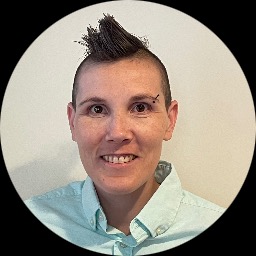
B Payson Croy is a LICSW (Licensed Independent Clinical Social Worker) with three years of professional experience based in Massachusetts. She focuses on stress and anxiety, LGBTQ+ related concerns, relationship difficulties, and trauma and abuse. She also addresses communication problems, attachment and abandonment issues, codependency, guilt and shame, and questions about life purpose and sexuality.
Her approach blends practical skills with exploration of personal history. She uses Dialectical Behavior Therapy techniques to teach emotion regulation and coping skills. She also draws on psychodynamic ideas to help people notice patterns that keep repeating and where those patterns began.
Sessions are conversational and direct. Clients can expect to talk about recent struggles and also reflect on long-standing patterns. The aim is to build clearer ways of communicating needs and to reduce cycles of repeated conflict.
She works with adults who want clearer communication and fewer recurring arguments. Many people come with anxiety, identity questions, or after difficult experiences. She helps people practice new responses and try them out between sessions.
Practical steps are part of the work. That can include learning specific DBT skills, naming old relationship patterns, and trying new ways of asking for support. The emphasis is on small, testable changes that fit daily life.
To begin, clients follow the site process to answer a brief matching questionnaire and schedule a first session. Costs vary with location and are billed through a subscription that can be canceled at any time.
Therapeutic approaches and working online
Dialectical Behavior Therapy, or DBT, focuses on teaching concrete skills for managing strong emotions, reducing reactivity, and improving interpersonal effectiveness. It is often useful for people who want specific tools to handle anxiety, distress, or repeated conflicts.Psychodynamic therapy looks at how past relationships and early experiences shape current patterns. This approach helps people spot repeated behaviors around communication and attachment, and understand why certain conflicts keep returning.
Choosing the right approach is collaborative. The therapist will discuss goals, preferences, and what feels practical for everyday life. Together they decide whether to emphasize skills-based DBT work, reflective psychodynamic exploration, or a mix of both.
Confirm the available session options before booking, as the biography does not list specific formats. Online sessions can make it easier to fit therapy into a busy week, allow shorter check-ins when time is limited, and let people use video or audio depending on their comfort. These practical benefits often help people practice new communication skills between appointments and bring real-life examples into sessions.
Areas of expertise
Primary focus
Additional focus areas
Therapeutic approaches
Experience
3+ years
Credentials
Massachusetts
Languages
English
Frequently asked questions
What kinds of problems does she address?
She works with stress and anxiety, relationship concerns, LGBTQ+ related issues, trauma and abuse, and related areas such as communication problems and attachment issues.
What is her therapeutic style?
Her style mixes practical skills teaching and reflective exploration. Clients learn DBT-based coping strategies while also looking at repeating patterns over time.
How much clinical experience does she have?
She has three years of professional experience as a LICSW working with adults on anxiety, relationships, trauma, and similar concerns.
Where is she licensed and practicing?
She holds an MA LICSW and is licensed in Massachusetts.
Which languages are sessions offered in?
Sessions are offered in English.
Can people from other countries work with her?
She does not accept international clients at this time.
How are sessions billed and what does it cost?
Costs vary with location; sessions use a subscription model that can be canceled at any time.
How do I start a first session?
Select the See online therapy options button, complete a short matching questionnaire, and schedule a first session through the site.
Online talk therapy is not emergency care, and no counselor can promise how a conversation or a relationship will turn out. If you feel unsafe, call or text 988, or call 911. Crisis information